Register or log in to access this video
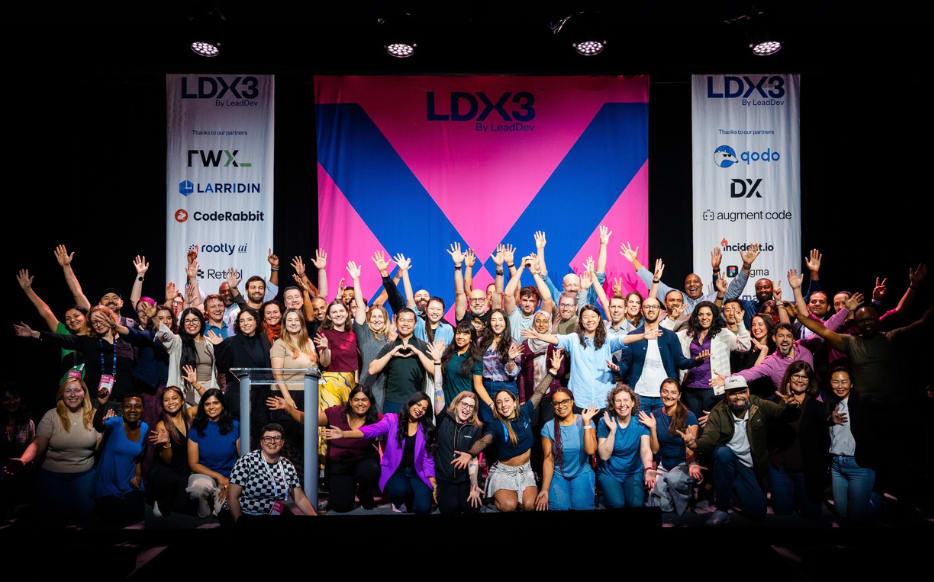
New York • September 8 & 9, 2027
Loved LDX3 New York? Pre-sale tickets for 2027 are now available.
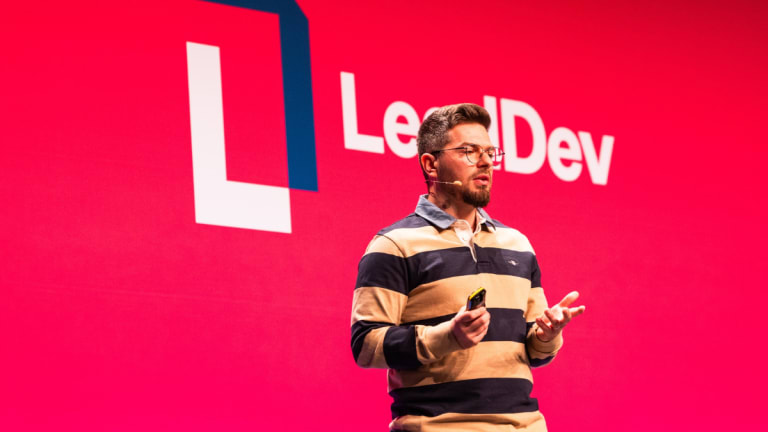
A hands-on case study of how one Engineering Manager rebuilt their entire workflow—people development, product strategy, and project planning—by integrating AI tools into daily leadership practice at a hyper-growth sports-tech company.
Two years ago, I was drowning. As the sole leader of a brand-new product at Sofascore—a sports-tech company that had grown from 30 to 250+ employees in 3 years—I was doing market analysis, writing tickets, leading a cross-functional team, reviewing every pull request, and still coding half my week. I needed 60 hours to fit into 40. Something had to break, and I decided it wouldn’t be me.
This talk is the story of what I built instead: an AI-augmented Engineering Manager workflow that fundamentally changed how I lead people, products, and projects.
I’ll share three concrete transformations from my real experience launching Sofascore Fantasy (from a Croatian alpha test with 20K users to a global product in 2 years) and building out our NHL product coverage.
First step: People. How I moved from reviewing every line of code to coaching engineers through structured career plans—including my current 18-month plan to grow an introverted but technically brilliant engineer into a senior role. I’ll share how four engineers I hired as students from our Android Academy are now strong mid-to-senior contributors after years of intentional mentorship.
Second step: Product. How I used Claude, Gemini, and ChatGPT to conduct competitive analysis, map our data provider’s API coverage, run market-fit research, and cross-reference it with real UX research—giving me the clarity to make better prioritisation decisions, faster.
Third step: Projects. How I learned to draw the line on my own responsibilities, delegate with precision, and advocate for the hires that would make my team scalable—moving from “I do everything” to “I enable everyone.”
This is not a talk about AI replacing managers. It’s about a manager who was stretched to the limit, used AI to reclaim clarity, and became a better leader because of it. Attendees will leave with a practical, honest playbook they can start applying immediately.
Takeaways:
- Identify which parts of your EM workflow (research, planning, analysis) AI can meaningfully accelerate—and which it cannot replace (coaching, judgment, trust-building).
- Apply a practical framework for drawing the line on your personal responsibilities so you can delegate with clarity instead of guilt.
- Use AI tools to conduct competitive analysis, API mapping, and market research that would otherwise take weeks—compressing your strategic decision-making cycle.
- Build structured, long-term career development plans for engineers at different stages—from academy hires to senior promotions—using project-based coaching.
- Recognise the early warning signs of an unsustainable leadership workload and take concrete steps to redesign your role before burnout hits.