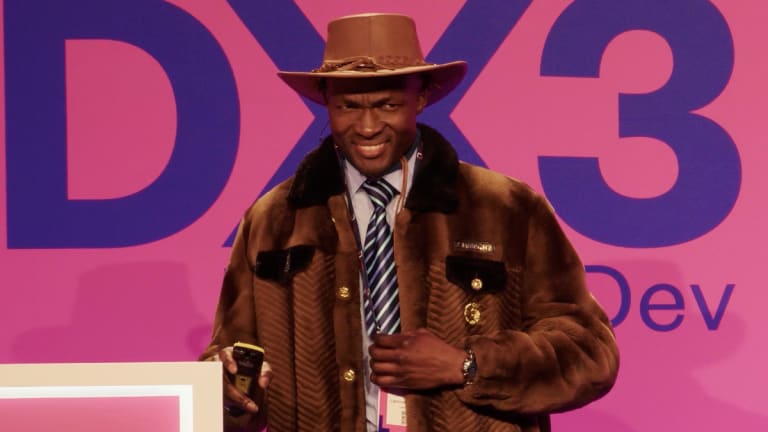
Register or log in to access this video
Practical, repeatable inclusive-leadership patterns for global engineering teams—aligning assumptions on hierarchy, disagreement, and feedback using working agreements, inclusive meeting mechanics, decision recaps, and repair scripts to build trust and move faster.
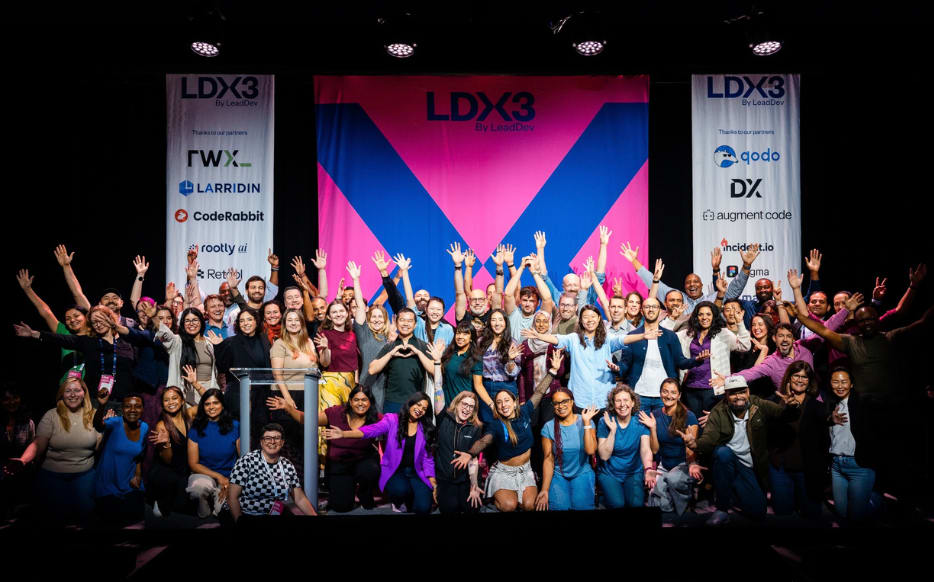
New York • September 8 & 9, 2027
Loved LDX3 New York? Pre-sale tickets for 2027 are now available.
Global teams don’t fail because people lack good intentions—they fail because they carry different assumptions about hierarchy, feedback, speed, and what “good work” looks like. Inclusive leadership across cultures is less about slogans and more about building shared operating agreements that make collaboration safe and predictable.
Drawing on my experience as the only African Joint Institute Student Ambassador in a UK–China AI institute partnership, and my leadership roles coordinating large technical cohorts in Nigerian higher education (including supervising/appraising 50+ technologists and leading a lab through external accreditation), I’ll share a practical toolkit for leading across cultural divides.
We’ll cover three common cross-cultural failure modes and how to fix them:
- Silence vs disagreement — how to surface dissent without forcing confrontation.
- Hierarchy vs challenge — how to invite “safe pushback” and avoid decision-by-deference.
- Direct vs indirect feedback — how to give clarity without disrespect, and how to receive feedback without defensiveness.
You’ll learn lightweight mechanisms you can adopt immediately: a “Working Agreements” template, inclusive meeting patterns (pre-reads, async input, rotating airtime), a decision recap format, and scripts for repairing misunderstandings when identity and power dynamics are in play.
You’ll leave with repeatable patterns to help distributed teams move faster—with less friction, more trust, and more meaningful participation.
Key takeaways
- A Working Agreements template for cross-cultural teams (communication, decision-making, feedback norms)
- Inclusive meeting patterns that reduce time-zone and hierarchy bias
- Scripts for disagreement, feedback, and repair after a cultural misread
- A decision recap format that increases clarity and reduces “re-litigating” decisions
- Practical ways to turn representation into belonging (not just diversity metrics)