
Register or log in to access this video
Burnout hits the engaged leaders who keep giving, not the ones who don’t care. Using the four-dimensional burnout model and the resources vs. demands framework, this talk gives you and your team practical tools to navigate burnout, overload, and sustainable leadership in the AI era.
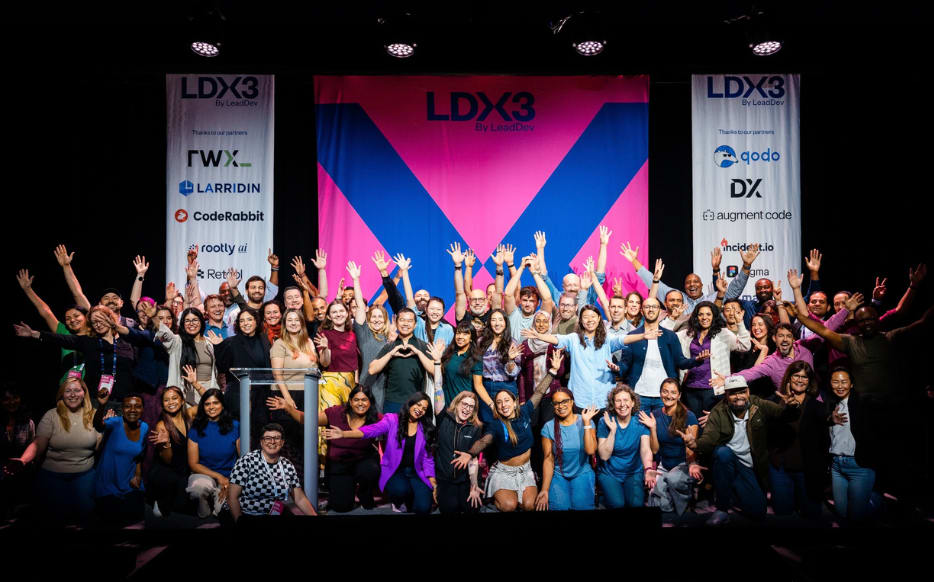
New York • September 8 & 9, 2027
Loved LDX3 New York? Pre-sale tickets for 2027 are now available.
Here’s what surprised me most about leadership burnout: you have to burn to burn out. It’s not the checked-out managers who struggle – it’s the caring, committed ones.
For the past few years, leaders’ mental well-being has been my main focus. Through coaching engineering managers and navigating high-pressure leadership roles myself, I’ve built a practical anti-burnout framework based on burnout research – and, unexpectedly, parenting psychology.
Typical “just take a vacation” advice ignores why leaders burn out in the first place. Modern tech work is changing fast, and AI, hyperconnectivity, constant adaptation, and endless responsiveness are increasing not only the pace of work, but also the emotional and cognitive load behind it.
Here’s what actually works.
The four dimensions of burnout – exhaustion, emotional distance, loss of efficacy, and the gap between who you think you should be and who you actually are. Learn to recognize how each dimension shows up in yourself, your team, and modern engineering culture.
Resources vs. demands framework – a systematic way to map emotional, physical, and mental loads against the resources actually available to individuals, teams, and organizations. Find the dangerous imbalances before they quietly become the default.
Practical ways to reduce overload and work more sustainably – what leaders can change in their own habits, teams, and organizations to support performance without burning out the people who care the most.
Taking care of yourself is hard, especially for engineering brains that want clear systems. That’s why I built this anti-burnout framework – to turn well-being into something understandable and actually doable.
Because the leaders we need most are the ones who care deeply – and we need you to stay healthy.
Key takeaways
- Four-dimensional burnout framework – understand exhaustion, emotional distance, loss of efficacy, and identity gap in yourself, your team, and modern engineering culture
- Resources vs. demands audit – map emotional, physical, and cognitive loads against the resources available at the individual, team, and organizational level
- Sustainable leadership practices – practical ways to reduce overload, redesign work patterns, and support performance without burning people out
- Burnout in the AI era – understand how AI-driven acceleration, hyperconnectivity, and constant adaptation reshape burnout dynamics in modern tech work
- Practical anti-burnout tools – simple, science-based techniques to improve recovery, reduce cognitive overload, and work more sustainably under pressure