Register or log in to access this video
A framework for transforming an engineering team from a ticket-churning “feature factory” into a trusted strategic partner using specific rituals, product-mindset shifts, and outcome-based metrics.
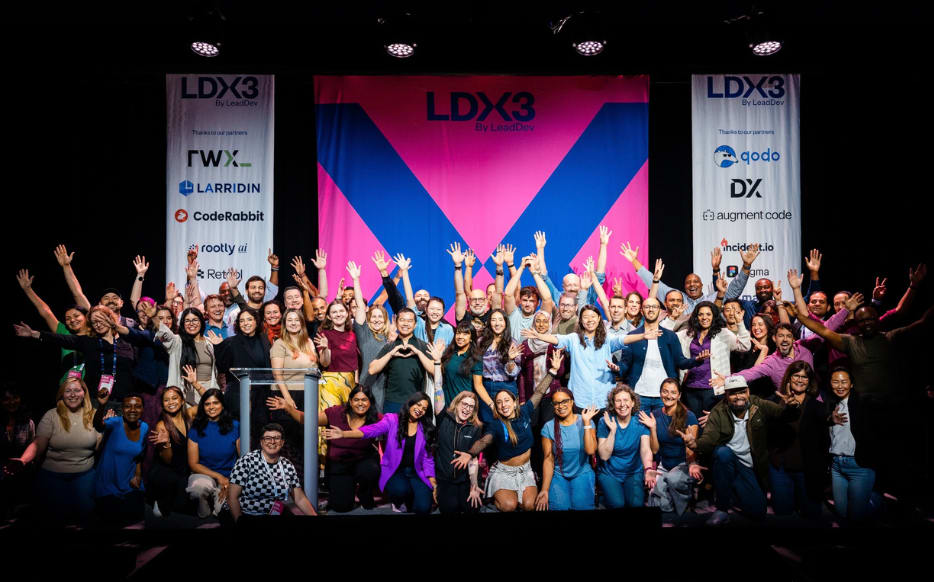
New York • September 8 & 9, 2027
Loved LDX3 New York? Pre-sale tickets for 2027 are now available.
Many engineering teams fall into the trap of becoming a “Feature Factory.” We become highly efficient at shipping code but remain disconnected from the business value it creates. With the advent of AI and LLMs commoditizing code generation, this “order-taker” model is becoming obsolete. The future belongs to teams that provide strategic insight, not just faster syntax.
In this session, I will share my experience at one of UK’s major media organisations, where I led the transformation of a fragmented engineering team into a high-performing strategic partner for the Marketing department. We moved from a transactional relationship defined by urgent tickets to a collaborative partnership defined by shared business goals.
This talk is for any leader who wants to stop managing a service desk and start leading a strategic engineering function. You will leave with a playbook for building teams that don’t just write code, but build the business. This ensures your human talent remains indispensable in an AI-augmented world.
Key takeaways
- Techniques to unify a fragmented team and establish strategic purpose and a culture of ownership.
- Methods to shift engineering focus from output (velocity) to outcome (business value) to future-proof the team against AI commoditisation.
- A framework for building trust with non-technical departments (like Marketing) to move from order-taker to advisor.
- Metrics that successfully demonstrate engineering maturity and impact to business leadership.