Register or log in to access this video
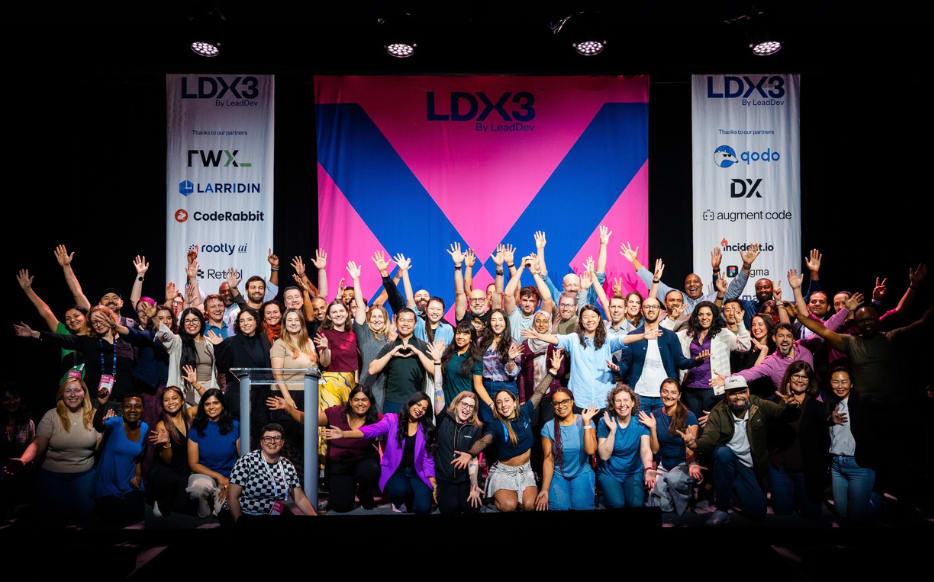
New York • September 8 & 9, 2027
Loved LDX3 New York? Pre-sale tickets for 2027 are now available.
Culture can’t be mandated – it emerges from repeated interactions. This talk shares an experience-based framework for deliberately reshaping team dynamics through intentional changes related to people, processes, and behaviours.
Team culture is one of the most cited – yet least clearly understood – levers in engineering leadership. Everyone wants to change it; few have a clear model for how.
This talk starts with a simple, but powerful, reframe: culture is not values on a wall or a collection of team rituals. It is a pattern of repeated interactions that emerges from the interplay of people and processes. You can’t mandate or declare it with a slogan – but you can be deliberate about changing it.
Using a graph analogy, we model a team as a network, where people and processes are nodes, interactions are edges, and trust is the weight on those edges. This turns culture change from a vague aspiration into a set of concrete interventions:
- introduce structural nodes (new processes and people that create desired interactions)
- remove or reshape high-impact nodes (blockers, misalignments, or overloaded connectors)
- reinforce edges (through conscious choices about what to praise, tolerate, challenge, or ignore).
This isn’t theory. Over three years leading an engineering team responsible for one of Bloomberg’s core products, I applied this framework systematically to reshape a team facing common scaling challenges: context with fragmented ownership, uneven collaboration patterns, and a slowed hiring pipeline. Through deliberate changes to both team composition and process design, we reshaped interaction patterns across the group.
You’ll leave with:
- a mental model for diagnosing your team’s culture
- a practical, repeatable framework for influencing it
- and a realistic understanding that culture change is non-linear – patience matters as much as intent.
The magic formula: Values → Structure → Repeated Interactions → Culture
Key takeaways
- Culture is shaped by repeated interactions, not declarations. It’s a function of both people and processes – change either, and you change the culture.
- Design for behaviour, don’t ask for it. You can’t tell people to collaborate more – but you can create an environment where collaboration is the default path.
- Leaders develop culture through everyday decisions. What you praise, tolerate, challenge, or ignore defines what’s truly expected.
- Culture change is non-linear. Progress comes in bursts and plateaus – expect doubt during flat periods, and plan for it.