Register or log in to access this video
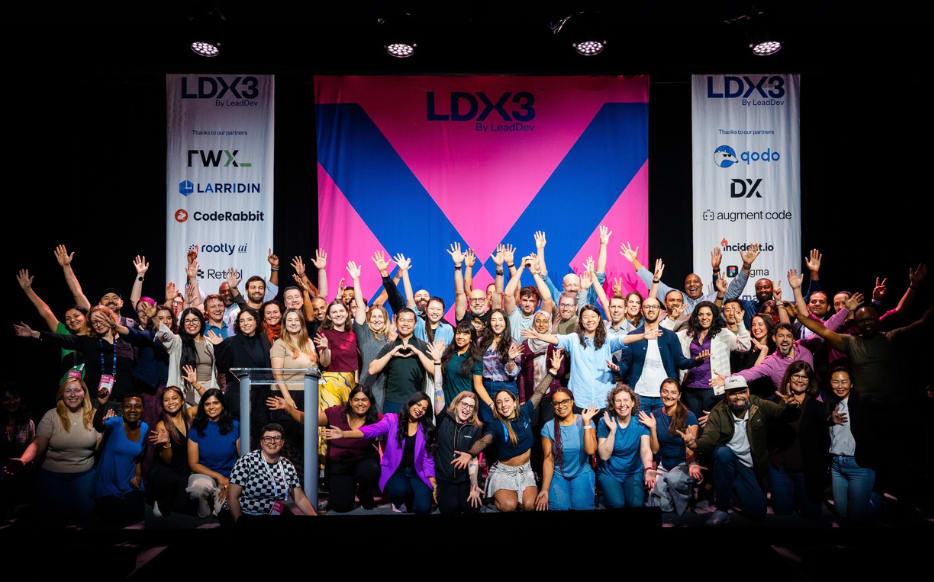
New York • September 8 & 9, 2027
Loved LDX3 New York? Pre-sale tickets for 2027 are now available.
Coding agents like Claude Code are reshaping how your team ships software, but how are you evaluating them? This talk is about using OpenTelemetry to measure their real impact on DORA metrics.
I tried out viral Claude Code ‘hacks’ and measured how effective they really are.
Agentic coding tools like Claude Code have inserted themselves into the critical path of software development. But we were still evaluating our vibe coding the same way – on vibes. This doesn’t scale across an organisation.
We realised there’s a hidden layer: your development workflow is now observable. You can measure how software gets built, not just what gets deployed.
How? These tools aren’t just generating code, they’re emitting OpenTelemetry data like token usage, latency, acceptance rates, and pull request counts. But most teams aren’t capturing it, so they’re flying blind while these tools shape delivery performance and DORA metrics. By observing your coding agents, you can understand their real impact: where they accelerate delivery, where they introduce risk, and how they affect lead time, change failure rate, and MTTR.
In this talk, I’ll show how we started treating coding agents as production dependencies, not assistants, and share what we learned, what didn’t work, and how we’re getting the most value from this data.
The teams that get the most value from AI won’t be the ones using it the most, they’ll be the ones who can see and optimise what it’s doing.
Takeaways:
- What data leaders should measure
- How leaders can use this data to improve delivery performance
- How to answer questions like: Is AI actually making us faster? Where are we introducing risk? Which tools are worth standardising on?