Register or log in to access this video
Wise onboards 50 grads annually. AI helps them code fast, but batch size is causing real senior review fatigue. I’ll share how we use automated guardrails to maintain safety without burning out the team.
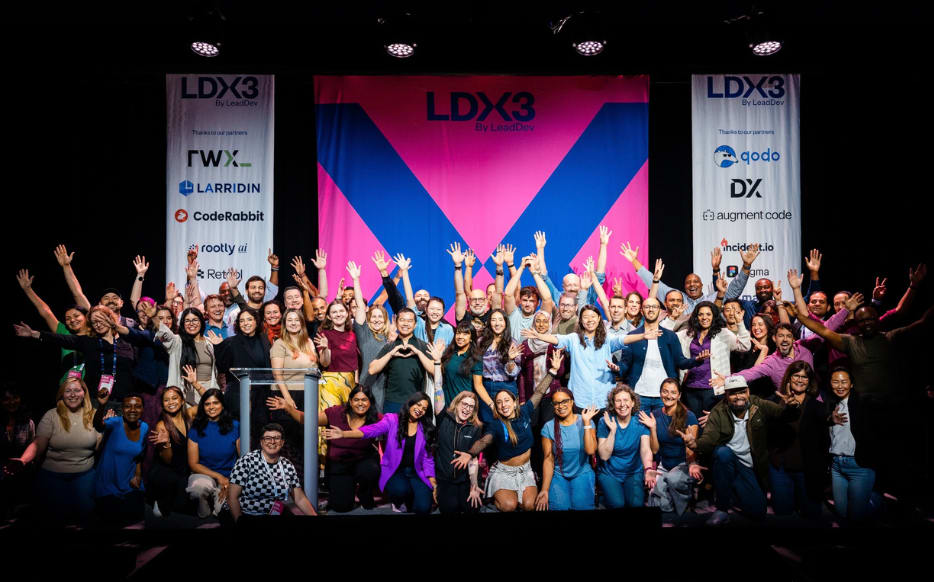
New York • September 8 & 9, 2027
Loved LDX3 New York? Pre-sale tickets for 2027 are now available.
I’ve spent over a decade leading engineering teams and lately the industry has shifted. Companies are asking why they should hire juniors when AI can just do the work.
At Wise we take the opposite view. We continue to hire 50 graduates every year because we believe AI is a massive enabler for unlocking early careers talent.
However, this opportunity brings a new challenge. AI allows our juniors to move incredibly fast. Our power users are producing 37% more Pull Requests than their peers. This surge in velocity proves their potential, but it brings concerns about work slop and growing PR batch sizes. We simply cannot rely on human reviewers to catch every quality issue in this new volume of code.
In this talk, I will share what guardrails we have put in place to let them move at the speed of a start up. We have introduced systems such as automated canary analysis and engineering maturity checks. This isn’t just about preventing bugs. It is about giving juniors the psychological safety to ship to production and learn faster.
I worry that if we reject early careers now, we lose our next seniors. I’ll share real stories from our academy, like interns fixing production issues on day one. You will leave with a plan to turn the AI uncertainty into your biggest advantage, using guardrails to make high velocity hiring safe and scalable.
Key takeaways
- Strategies to handle the 37% PR volume spike and increased batch sizes caused by AI-assisted juniors.
- How to mitigate work slop using your own AI engineering hub.
- Moving from “Review Gates” to “Production Guardrails” using automated canary analysis.
- A practical guide for scaling a graduate pipeline by treating AI as a productivity asset, not a replacement.